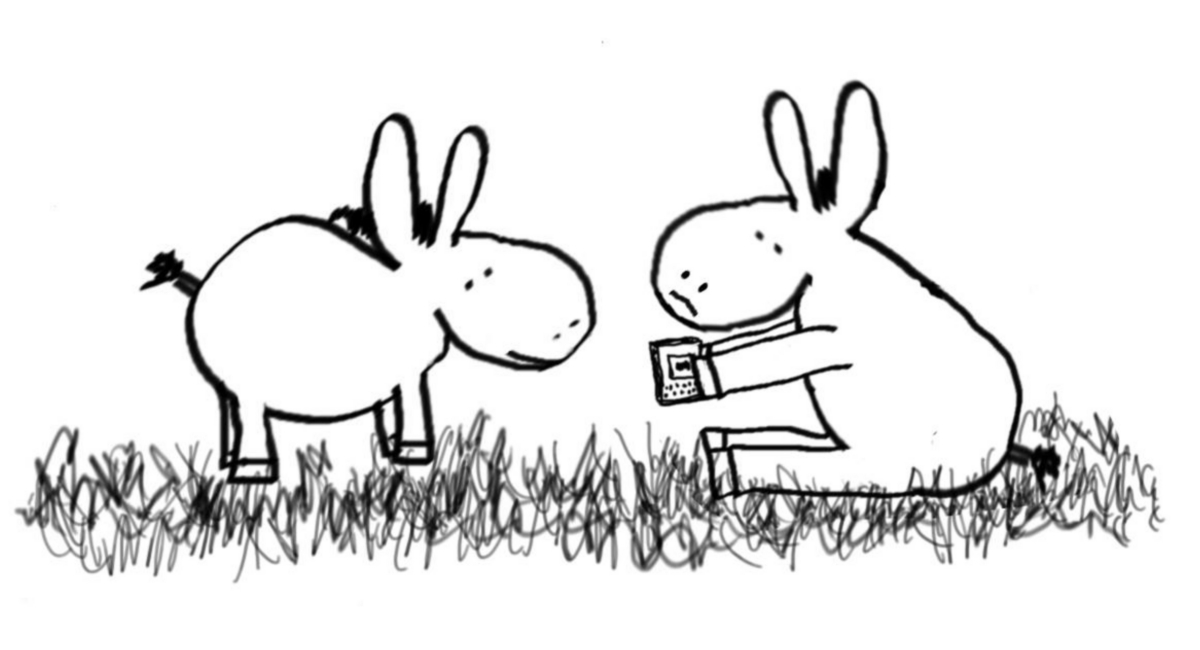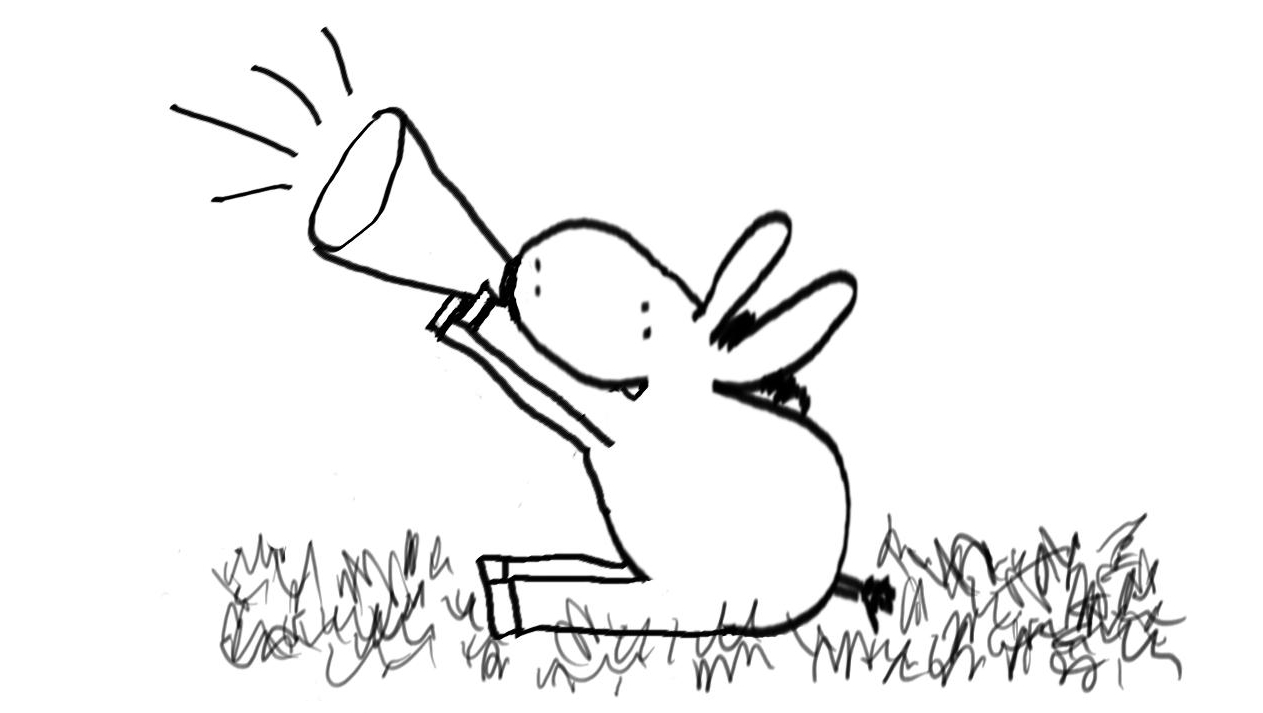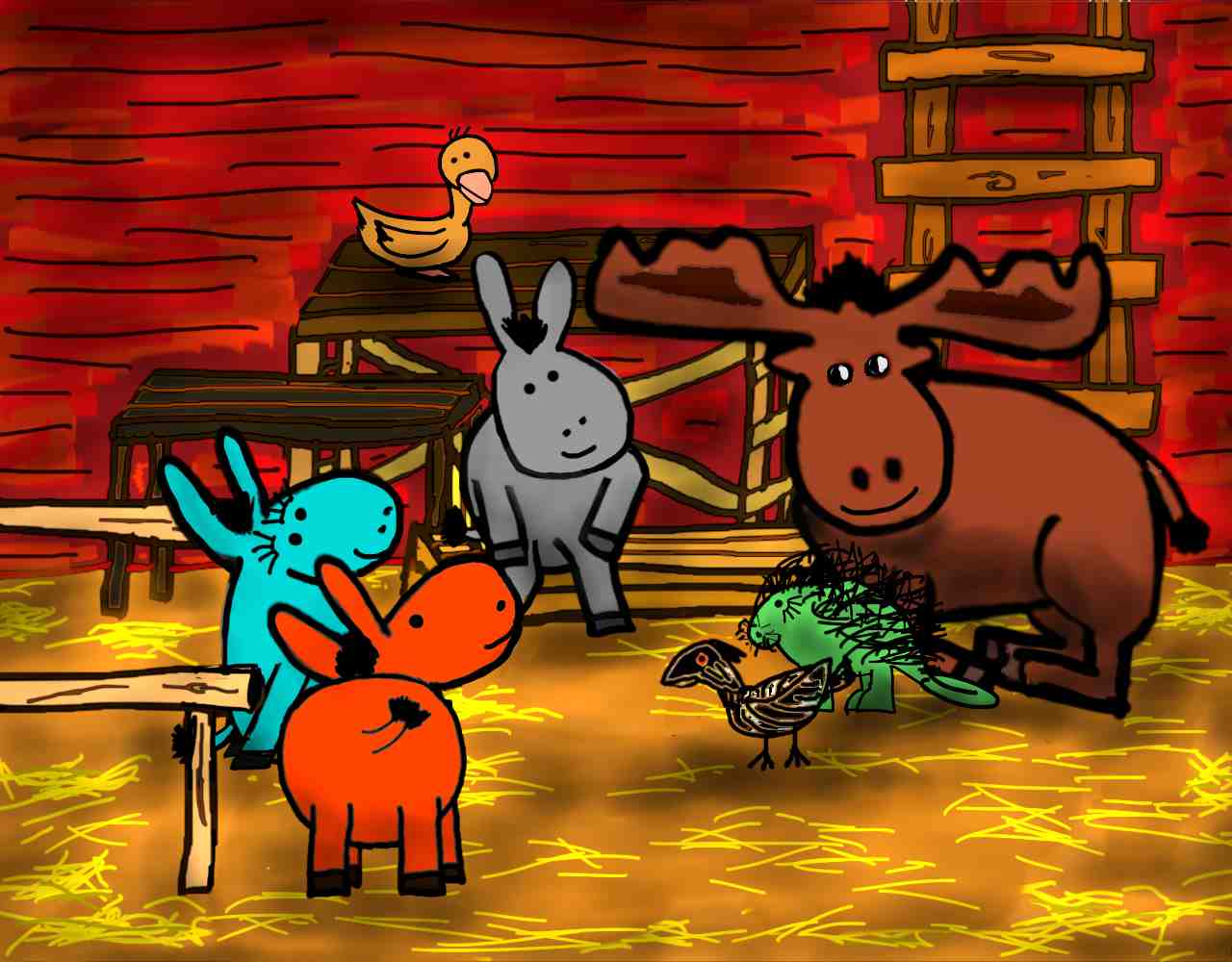
Welcome, said Blurtso, to “What 101.” The question for today’s class is: “What’s that smell?”
What’s that smell? said Glouster.
I didn’t do it, said Emma Lou.
I don’t smell anything, said Frank.
I do, said Morton.
So do I, said Chelsea, it smells like jasmine.
It also smells like pumpernickel, said Morton, or a field of wheat before it rains.
Yes, said Chelsea, or a riverbed of Alabama clay.
I don’t smell anything, said Frank.
You can’t trust your senses, said Glouster, everyone has a different sense of smell.
That’s what the Upanishads say, said Emma Lou.
The Upanishads? said Morton.
Yes, said Emma Lou, the Upanishads say that the world perceived by the senses is maya.
Maya? said Chelsea.
Yes, said Emma Lou, separate smells and sights and things only exist as the condition of perception. They are an illusion. At the subatomic level they dissolve into a flux of energy.
Does an odor exist, said Frank, if you can’t smell it?
Does an odor exist, said Emma Lou, if you can smell it?
Maybe, said Glouster, we should consult Avery Gilbert’s book, The Science of Scent in Everyday Life. Or Patrick Suskind’s novel, Perfume.
Perfume? said Morton.
Yes, said Glouster, a novel about the emotional meanings that scents carry. The protagonist is a perfume-maker in 18th century France.
I love perfume, said Chelsea.
I can’t smell perfume, said Frank.
There’s another novel about smell, said Glouster, in which a man takes a bite of a cookie that makes him remember his childhood and the life he’s lived.
What’s it called? said Emma Lou.
Á la recherche du temps perdu, said Glouster, by Marcel Proust.
What kind of cookie does he eat? said Morton.
A Madeleine, said Glouster.
What’s a Madeleine? said Morton.
A Madeleine, said Glouster, is a buttery sponge cake.
I love sponge cake! said Chelsea. Why can’t we read a book about sponge cake instead of the Bible and the Quran and the Upanishads?
There’s a donkey in the Bible, said Morton.
There is? said Chelsea.
Yes, said Morton, Jesus entered Jerusalem on a donkey.
There are donkeys in the Quran too, said Glouster.
There are? said Chelsea.
I still don’t smell anything, said Frank.
I do, said Chelsea, it smells like something sweet.
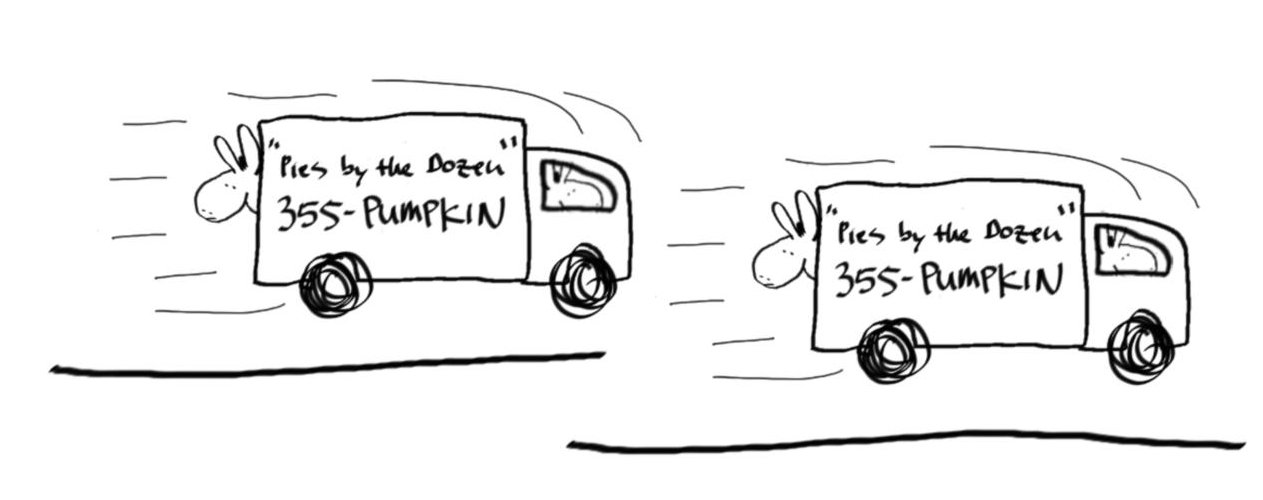
Maybe Bonny is baking a pie! said Morton.
No, said Glouster, that’s only on Thursdays.
If we can’t trust our senses, said Chelsea, what can we trust?
“To smell,” said Glouster, is “to perceive the scent of something by means of the olfactory nerves.”
Isn’t that circular, said Emma Lou, to say, “to smell is to perceive scent”? It doesn’t explain anything.
If you smell something before you eat it, said Morton, it gives you an idea of what it’s going to taste like.
Sponge cake smells sweet, said Chelsea.
So do chocolate chip cookies, said Morton.
I’ve never had a chocolate chip cookie, said Frank. What do they taste like?
It’s hard to describe, said Morton, to someone who has never tried one.
“To taste,” said Glouster, is “to ascertain the flavor of something by taking a little into the mouth.”
That doesn’t tell me what it tastes like, said Frank. Does it taste like a worm?
A worm? said Morton. I don’t know, I’ve never tasted a worm.
Does everything, said Chelsea, taste different to everyone?
That’s a good question, said Frank.
Did anyone bring cookies? said Morton.
“The senses,” said Glouster, are “the physiological capacities of organisms that provide data for perception.”
Data for perception? said Frank. Does that mean we don’t actually perceive things themselves, we only perceive data?
Every time I perceive the data called smoke, said Morton, it reminds me of when I was tethered in a barn and the barn caught fire and someone rushed in to save me before I was burned alive.
That must have been terrifying! said Emma Lou.
Every time I perceive the data called smoke, said Chelsea, it reminds me of roasted chestnuts on the Mass. Ave Bridge.
“Harvard Bridge?” said Morton.
Yes, said Chelsea, in December.
From a man in a green overcoat? said Morton.
Yes, said Chelsea, and on Saturdays he brings his daughter.
Those are excellent chestnuts, said Morton.
But you can’t eat them at once, said Chelsea, because they’re too hot, so you have to wait, but you can’t wait, so you eat them and they burn your tongue.
The data burns your tongue, said Morton.
When I perceive the data called smoke, said Frank, I fly in the opposite direction.
I dive underwater, said Glouster.
Really? said Chelsea. I wish I could swim.
You can’t swim? said Glouster.
No, said Chelsea, I don’t think so.
It’s easy, said Glouster, you just paddle around, and then dive down when you see something to eat.
Like what? said Chelsea.
Like a fish, said Glouster.
I couldn’t catch a fish, said Morton.
Neither could I, said Chelsea.
Some animals are not fishers, said Frank.
The Apostles of Jesus, said Glouster, were fishers of men.
Fishers of men? said Emma Lou.
Yes, said Glouster, they used the holy word of God to entice people to open their hearts and love their neighbors.
Just like in the Upanishads, said Emma Lou.
Is that in the Bible? said Chelsea. I’ve been reading the Mahabharata. It starts with a story about a girl who is turned into a fish. And then she has children that smell like fish.
Even I can smell a fish, said Frank.
Then a wise man called a “rishi”, said Chelsea, becomes obsessed with the girl’s smell and makes love to her.
I don’t like the smell of fish, said Morton.
What smells bad for one person, said Emma Lou, smells good for another.
Fish must like the smell of fish, said Chelsea.
They sure do taste good, said Glouster.
Yes, said Frank, especially when they’ve been baking in the sun for a while, on the side of the road, or in a ditch near a field.
I’m sorry to interrupt, said Blurtso, but we’re out of time. I hope you enjoyed the first day of class. Thank you for your interesting comments and questions.
Thank you, said Emma Lou, you’re an excellent teacher.